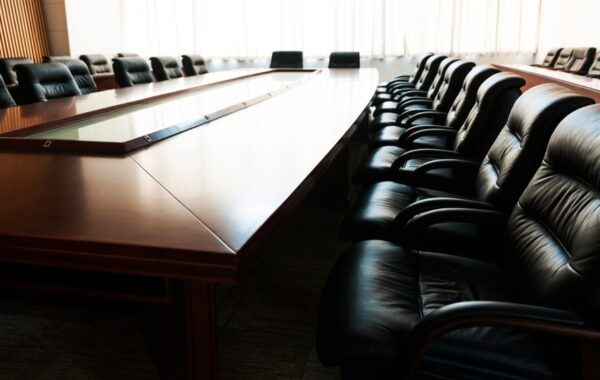




Over the break, I took a step back and reflected on the role board meetings play in driving an organisation’s success. And I have to be frank—I came to the conclusion that the vast majority of board meetings I’ve attended were bogged down in business as usual rather than the critical discussions that shape the future of an organisation.
When I really analysed how these meetings played out, I realised that 85-90% of the time was spent covering the bare basics—going through accounts receivables, discussing small debtors, and reviewing operational updates that could have easily been handled offline. These are things that could have been resolved before the meeting via a circular motion, a quick email vote, or using board meeting tools to advance discussions rather than stagnate them.
And that’s a problem.
The Board Pack Trap
One of the biggest structural flaws in board governance today is how we treat board packs. Everyone receives the board pack, reviews it (hopefully), and then comes to the meeting to go over it again. It’s a cycle of inefficiency, where time is wasted rehashing details rather than making real decisions.
In many ways, these tools and meeting structures are setting boards up for failure because they don’t encourage deep strategic thinking, proper debate, and meaningful decision-making. Instead, they reinforce the status quo. And I think we need to seriously reconsider what good governance actually looks like.
Recalibrating Board Meetings for Success
The best board meetings should focus on:
✅ Managing critical risks that could impact the business.
✅ Debating strategic direction—where are we going, and how do we get there?
✅ Leveraging the board’s expertise—getting real insights, not just approvals.
So, how much of your board meetings are actually spent on these issues? If you’re honest about it, probably not enough.
Jeff Bezos Got It Right—Time to Take Notes
One of the most interesting meeting models I’ve come across is Jeff Bezos’ approach at Amazon. He flipped the traditional meeting structure entirely. Instead of assuming that people would read materials in advance, the meeting began with everyone reading a discussion paper in real-time, ensuring a level playing field. This allowed the group to engage in deep, meaningful conversations rather than just rubber-stamping approvals.
No time wasted on routine matters. No endless PowerPoint presentations. Just critical conversations and big decisions.
I think more organisations need to take this approach and be willing to challenge outdated board meeting formats.
A New Model for Board Meetings?
Maybe the answer lies in splitting board meetings into two distinct categories:
🔹 Governance Meetings—For compliance, risk oversight, and operational updates.
🔹 Strategic Board Meetings—For big-picture thinking, transformation, and future-proofing the business.
By separating these conversations, we can get the most out of board directors, rather than wasting their time on administrative discussions that don’t add real value.
A Challenge to Boards Everywhere
This year, I’m going to be focused on how we improve board meetings, governance, and decision-making. I firmly believe that most boards are stuck in a rut—they’re doing things the way they’ve always been done without questioning if it’s actually working.
🚀 So here’s my challenge to you:
1️⃣ Analyse how much time your board spends on operational minutiae vs. strategic discussions.
2️⃣ Be bold enough to suggest structural changes to your meetings.
3️⃣ Challenge your board to use their time more effectively to focus on risk, strategy, and transformation.
Don’t be afraid to shake things up. The most nimble, forward-thinking companies—especially in private enterprise—have a massive opportunity to redefine board effectiveness and drive real business impact.
What’s your take? How are your board meetings structured, and do you think they’re as effective as they could be? Drop your thoughts in the comments—I’d love to hear your perspective.