


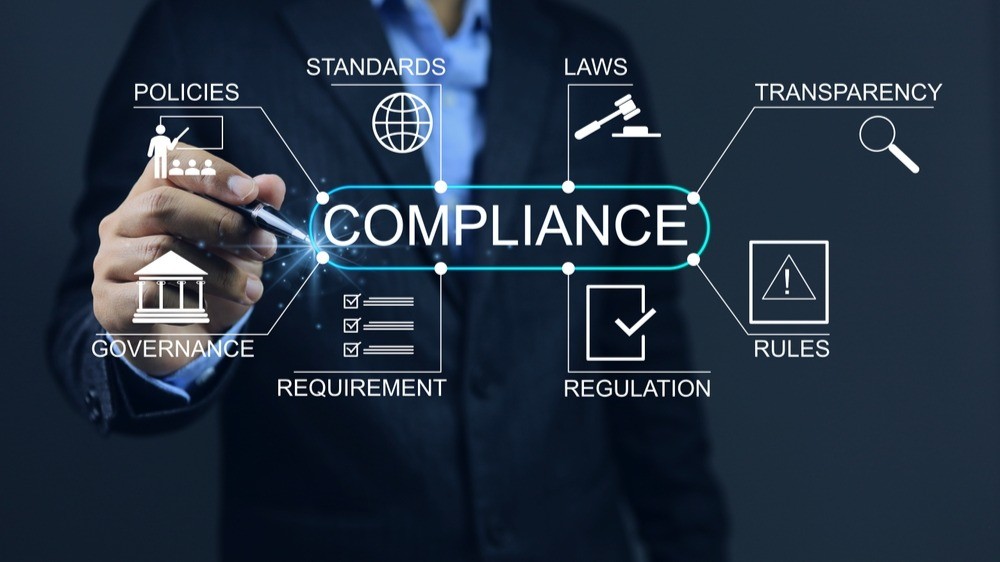

Good governance is the cornerstone of a successful organisation, ensuring accountability, transparency, and strategic direction. It provides the framework for decision-making, risk management, and ethical leadership, ultimately enhancing trust among stakeholders and delivering long-term value. But what does “good governance” truly entail, and how can boards audit their performance and continuously improve?
Why Governance Matters
Governance is not just about compliance; it’s about building a culture of accountability and foresight. Strong governance ensures:
- Strategic alignment: Organisations stay true to their purpose while adapting to change.
- Risk management: Boards proactively identify and address risks.
- Stakeholder confidence: Transparency fosters trust among investors, employees, and the community.
- Sustainability: Ethical leadership ensures decisions benefit future generations.
According to the Australian Institute of Company Directors (AICD), “Good governance provides the foundation for success, stability, and sustainable growth.” Without it, organisations risk reputational damage, operational inefficiencies, and financial instability.
Characteristics of Good Governance
- Clear Roles and Responsibilities
- Effective Risk Oversight
- Ethical Leadership and Decision-Making
- Transparency and Reporting
- Stakeholder Engagement
- Continuous Improvement
Auditing Governance Performance
Boards must periodically evaluate their performance to ensure governance practices remain effective and aligned with best practices.
- Board Evaluations
- Governance Framework Audits
- Skills Matrix
- Stakeholder Feedback
- Compliance Reviews
How Boards Can Improve Governance Practices
- Ongoing Education Board members should stay informed about emerging governance trends, legal updates, and best practices.
- Strengthen Board Composition
- Prioritise Governance in Meetings
- Engage in Peer Learning
- Leverage Technology
How to Prioritise Governance in Board Meetings
- Establish a Governance Agenda Dedicate time in every meeting to governance topics, such as compliance updates, risk reviews, and ethical considerations.
- Monitor Metrics Use governance dashboards to track key indicators and identify areas requiring attention.
- Engage the Whole Board Encourage directors to actively contribute to governance discussions, fostering collective ownership.
- Focus on Long-Term Goals Balance immediate operational concerns with long-term strategic governance priorities.
Staying Current on Governance Matters
- Professional Development
- Industry News
- Networking
- Consult Advisory Services
How Tiger Boards Can Help
Tiger Boards offers tailored Board Search and Advisory Services to support organisations in achieving governance excellence. Whether you’re looking to recruit skilled directors, improve governance frameworks, or benchmark your board’s performance, Tiger Boards provides comprehensive solutions.
For more information, visit Tiger Boards Board Search www.tigerboards.com.au